At the recent edition of MIPIM 2026, the Architects’ Council of Europe (ACE) contributed to key discussions on the internationalisation of architectural practice and the role of European architects on the global stage.
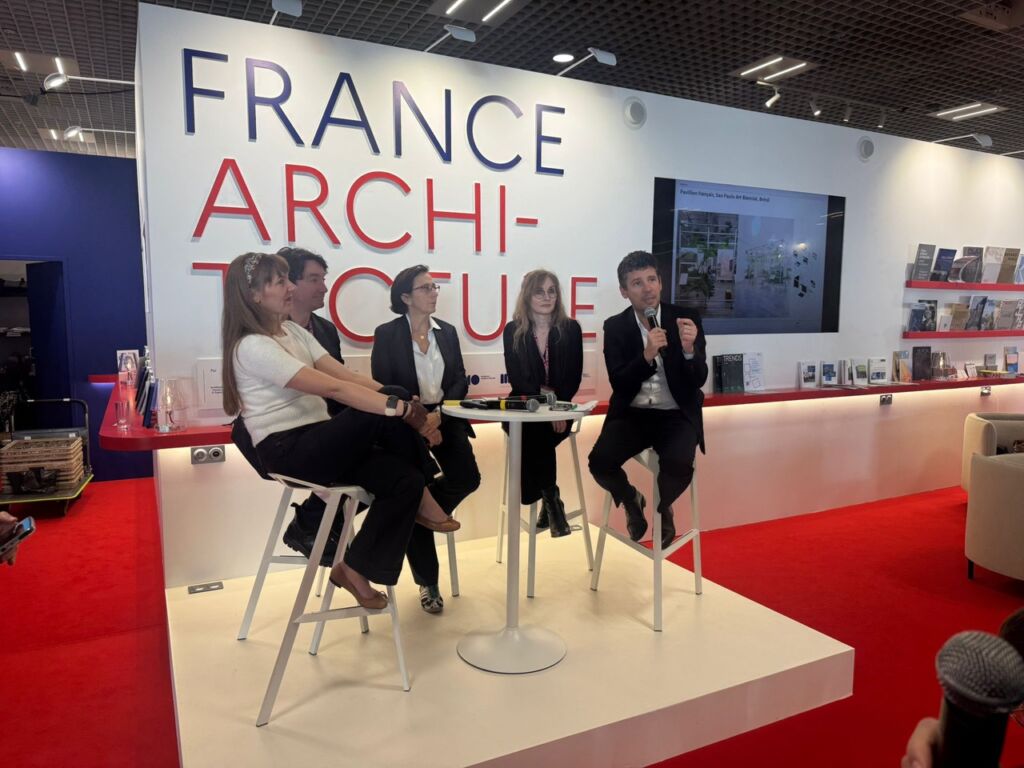
Elizabeth Gossart, ACE Vice President, participated in the workshop “European and International Dynamics: The Place of French Architects”, which brought together practitioners and institutional representatives to reflect on opportunities and challenges for architects working across borders.
European architects in a global context
The session featured insightful contributions from French architects with international experience. Marine de La Guerrande shared her work in the Democratic Republic of Congo, while Martin Duplantier presented projects developed in Ukraine.
Their interventions highlighted both the strengths and the responsibilities of European architects working abroad. French architectural practice, they noted, benefits from strong cultural and historical foundations, as well as recognised technical expertise—particularly in areas such as fire safety regulations and accessibility standards.
At the same time, speakers addressed the complexities of operating in different regulatory, cultural, and market environments. A key message emerged clearly: collaboration with local architects is essential to ensure context-sensitive design, smooth project delivery, and long-term sustainability.
From design to lifecycle thinking
Discussions emphasised that successful international projects must go beyond design excellence. Considering the full lifecycle of buildings—from construction to operation and maintenance—is critical to delivering lasting value.
Working with local partners not only supports this lifecycle approach, but also strengthens knowledge exchange and fosters more resilient and adaptable solutions.
Institutional perspectives and the role of ACE
From an institutional standpoint, valuable insights were shared by Hélène Lucie Fernandez, Deputy Director for Heritage and Architecture, și Christophe Millet, President of the Conseil national de l’Ordre des architectes.
The discussion underlined several key priorities for the profession in Europe:
- Promoting the quality and value of architectural education, including international exchange
- Advancing the mutual recognition of qualifications (MRA) to facilitate cross-border practice
- Safeguarding architectural quality in an increasingly globalised market
- Strengthening the contribution of European institutions, including the European Parliament, in supporting the profession
In this context, the role of ACE remains central in advocating for high-quality architecture and enabling architects to work across borders while maintaining professional standards.
Continuing the conversation
The workshop reaffirmed both the opportunities and the responsibilities associated with practising architecture internationally. As global challenges—from climate change to urbanisation—intensify, the need for collaboration, shared standards, and high-quality design becomes ever more critical.
To further explore these issues, ACE invites readers to consult its recent publications:
- European Architectural Policies by João Ferreira Bento (supported by Creative Europe), offering a comprehensive overview of planning frameworks across Europe
- Archi’Voices: European reflections on exporting services, exploring the internationalisation of architectural practice
Together, these resources contribute to an ongoing reflection on how European architects can continue to shape a sustainable, inclusive, and high-quality built environment—both within Europe and beyond.