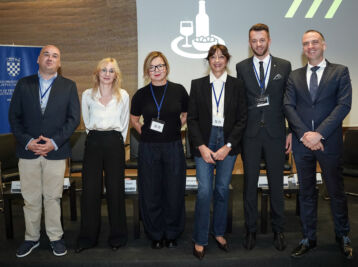
Efter vores åbningssamtale med ACE-præsident Daniel Fügenschuh, fortsætter vores serie om de fornyede ACE-arbejdsgrupper med Peter Hyttel og Bledion Baraliu, Formænd for Arbejdsgruppen om digitalisering.
Fra kunstig intelligens og BIM til digitale standarder, datarettigheder og softwarekontrakter berører gruppens dagsorden de daglige realiteter i arkitektonisk praksis. I dette interview deler Peter og Bledion deres faglige baggrund, skitserer deres prioriteter for de næste to år og diskuterer, hvordan arkitekter kan forme digital forandring, samtidig med at kreativitet, faglig dømmekraft og metodefrihed bevares. De forklarer også, hvorfor ACE-medlemsorganisationernes erfaringer og aktive inddragelse vil være afgørende for gruppens arbejde.
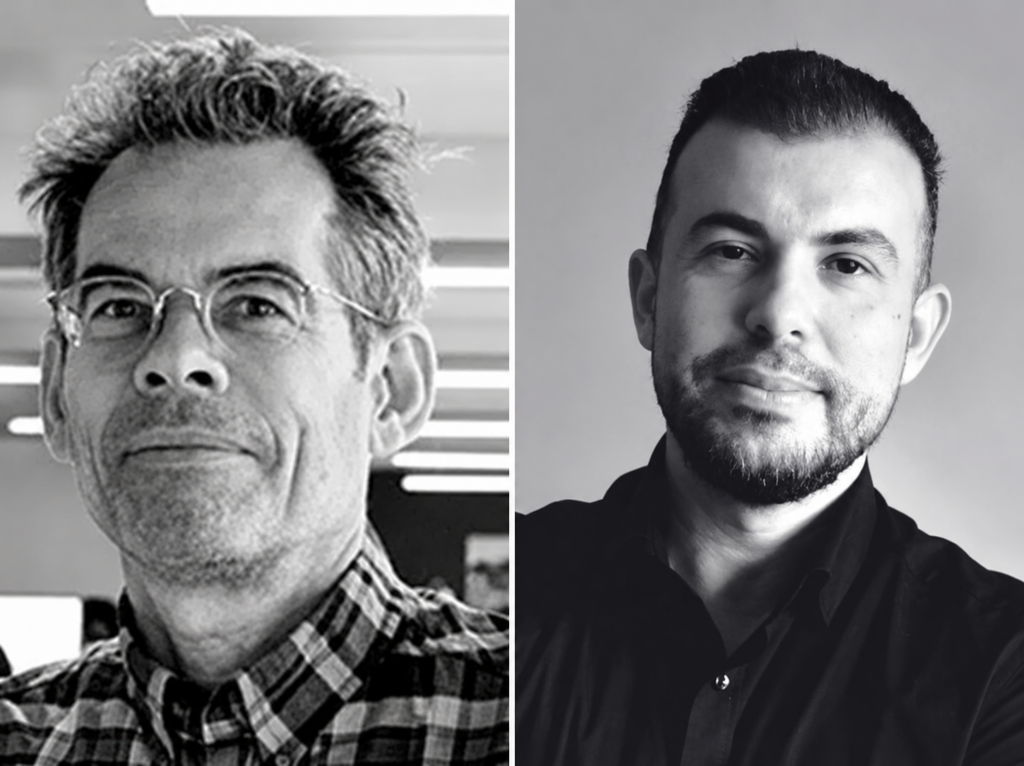
ACE: Kan du kort præsentere dig selv og fortælle os om din faglige baggrund?
Peter Hyttel :”Jeg har været en del af ACE-arbejdsgruppen om BIM og digitalisering siden 2015, hvor mit engagement begyndte med det første ACE BIM-møde i Oslo. I min daglige rolle arbejder jeg som deltidskonsulent for Danske Arkitektvirksomheder, hvor mine ekspertiseområder omfatter digitalisering og projektledelse.
Jeg har opbygget min praktiske erfaring gennem mere end 20 år hos arkitektfirmaet C.F. Møller Architects i Danmark. Min ekspertise er især fokuseret på IKT-styring og udvikling og implementering af softwaresystemer i store organisationer. Sundhedssektoren har været en stor del af min erhvervserfaring. Jeg ser det som et komplekst puslespil med mange indbyrdes forbundne brikker. Min viden og erfaring er udviklet gennem design, udvikling og implementering af IKT-platforme, der understøtter ledelse, design og levering af store hospitalsprojekter i Danmark, Tyskland, Sverige og Norge.”
Bledion Baraliu: "Jeg har været bekendt med ACE siden 2023, hvor Kosovo blev accepteret som observatørmedlem i den europæiske arkitekturfamilie som repræsentant for mit land. Fra 2026 er jeg mere engageret i ACE gennem medformandskab for Digitaliserings-, innovations- og BIM-arbejdsgruppen, som er en del af område 2.
I mit daglige liv er jeg arkitekt, foredragsholder og forfatter, leder et team på 20 arkitekter, Lecturing ved universitetet, rådgiver i visse bestyrelser, leder Arkitektforeningen i Kosovo og repræsenterer i regionale og internationale organisationer som BAF (Balkan Architecture Forum), UIA (International Union of Architects), EU Mies Awards, SHARE Architects osv...”
ACE: Hvad motiverede dig til at blive formand for denne arbejdsgruppe, og hvad ser du mest frem til at bidrage med?
Peter Hyttel: ”Det er svært at pege på en enkelt motiverende faktor. Én ting skiller sig dog ud som særlig vigtig: min egen baggrund.
Jeg startede fra bunden og var ofte den sidste, der tog af sted, da tegningerne skulle koordineres og uploades en fredag aften. Faktisk var mit første job i en arkitektpraksis at oprette et projektwebsted for at holde styr på tegninger og dokumenter. Derfra blev jeg noget besat af systemer, klassifikation og terminologi, ontologi, og hvordan man lægger fundamentet for digitalisering.
For at være ærlig har denne rejse været længere, end jeg havde forventet. Men mere end 20 år i digitaliseringens og BIM's vildmark har givet mig en dyb forståelse for processerne inden for vores branche og måske vigtigst af alt for de mennesker, der sidder bag skærmene.
Ændringer og transformationsprocesser bør ikke fremmedgøre de mennesker, der rent faktisk leverer projekter. For mig er dette et vigtigt vejledende princip, også i mit arbejde inden for ACE. Dette princip blev formet gennem min erfaring som informations- og kommunikationsteknologisk leder, der udviklede og implementerede BIM- og IT-systemer som en del af design og konstruktion af store hospitalsprojekter.
Som formand for ACE ser jeg en af mine vigtigste opgaver som værende med til at styrke vores holdning til de juridiske spørgsmål, der opstår som følge af digitalisering, ophavsret og intellektuelle ejendomsrettigheder. Dette bliver stadig mere relevant, efterhånden som flere og flere projektdata gemmes i tredjeparts cloud-tjenester.
Der indføres hele tiden nye regler, og standardisering er til en vis grad vigtig. Dette er en af grundene til, at jeg repræsenterer ACE i CEN/TC 442. Samtidig mener jeg, at vi som arkitekter skal forsvare vores frihed til at vælge vores metoder – med andre ord, hvordan vi får arbejdet gjort på en gennemførlig og kreativ måde. Det er fortsat en udfordring at få digitale systemer til at fungere på tværs af byggebranchens forsyningskæde. Jeg vil gerne bidrage til at styrke vores stemme og udvikle partnerskaber og alliancer med vores søsterorganisationer.
Jeg vil også gerne være åben over for alle stemmerne i ACE og forhåbentlig være med til at skabe et forum baseret på tillid, åbenhed og konstruktiv dialog. Jeg har bevaret “digitaliseringens og BIM’s forvirring”, fordi det giver teksten noget personlighed. Hvis dette er tænkt som en tale eller præsentation for et ACE-publikum, ville jeg gøre det lidt mere personligt og mindeværdigt snarere end mere formelt”.
Bledion Baraliu: ”Jeg tror på, at arkitektur er mere end design – det er et ansvar at forme fællesskaber, styrke fremtidige generationer og drive meningsfulde fremskridt gennem innovation. I mere end 15 år har jeg dedikeret min karriere til at fremme arkitektur gennem ledelse, uddannelse, digital transformation og internationalt samarbejde.
Gennem lederskab, uddannelse og teknologi er jeg fortsat engageret i at styrke samarbejdet mellem den akademiske verden, institutioner, faglige organisationer og industrien og samtidig fremme innovation, kreativitet og bæredygtige arkitektoniske løsninger. Jeg mener, at arkitekturens fremtid tilhører dem, der er villige til at lede forandringen og skabe varige sociale, kulturelle og teknologiske konsekvenser.
Som medformand for ACE Digitalisation Workgroup ser jeg en reel mulighed for at realisere disse mål og få en reel indvirkning på den måde, hvorpå teknologi, AI og andre faktorer påvirker arkitekturen, den menneskelige faktor og dermed hele økosystemet”.
ACE: Hvad er arbejdsgruppens vigtigste prioriteter for de næste to år? Hvilken indvirkning håber du, at dets arbejde vil have på ACE-medlemsorganisationer og det bredere arkitekterhverv?
Peter Hyttel/ Bledion Baraliu; Vi har fremlagt en trepunktsplan, som vil blive videreudviklet og udformet mere konkret på vores næste gruppemøde. Vores fokus vil være på gennemførlighed.
1) AI
Emner
- Definer muligheder og risici for arkitekter
- Forberedelse af AI-konferencen i 2028
Levering (afgørelser, der skal træffes af de udpegede deltagere)
- AI-konference 2028
- Vejledning til ACE-medlemmer om, hvordan man håndterer risikoen ved AI-brug på virksomheds- og medarbejderniveau.
- Vejledning i værdiskabelse, herunder anvendelse af åbne AI-kilder.
- Brugerundersøgelse og AI-brug blandt ACE-medlemmer?
- Rapport om fælles møder i ACE-digitaliseringsgruppen
2) CEN TC 442/CENELEC
Emner
- Kan digitalisering og BIM forstyrre arkitekterhvervet
- Mulighed for at forelægge en forbindelsesrapport eller præsentation på CEN's halvårlige plenarmøder
Levering (afgørelser, der skal træffes af de udpegede deltagere)
- ACE har ingen indflydelse på standardiseringsarbejdet
- ACE-indberetning CEN TC442
- Rapport om fælles møder i ACE-digitaliseringsgruppen
3) Lovgivning og bygningspolitik
Emner
- EU-dataforordningen
- DBL, DDP
- Software og generelle vilkår
- Software, priser og Monopolys
- NIS2
- OPHAVSRETTIGHEDER, INDIREKTE RETTIGHEDER, DATABASE DIREKTIV
Levering (afgørelser, der skal træffes af de udpegede deltagere)
- Dialog med andre faglige organisationer
- Dialog med relevante EU-institutioner
- Dialog med softwareproducenter om manglende gennemsigtighed i brugerforhold
- Vejledning/Statusdokument om EU-initiativer, der er relevante for ACE-medlemmer
- Rapport om fælles møder i ACE-digitaliseringsgruppen
Hvad ser du som den største udfordring eller mulighed på dette område for arkitekter i hele Europa? Hvilken udvikling skal arkitekter og praksis forberede sig på, og hvordan kan erhvervet reagere?
Peter Hyttel: ”Jeg ser metodefrihed som en grundlæggende rettighed. Det er ikke kun vigtigt i forhold til den enkelte, men repræsenterer også en grundlæggende værdi for Europa som helhed.
Hvis vi ser specifikt på brugen af teknologi – herunder forkortelsen BIM og i stigende grad brugen af AI – ser jeg en risiko og en uønsket tendens til, at metoden bliver vigtigere end produktet.
Mit udgangspunkt er, at arkitekter grundlæggende er brugere og forbrugere af værktøjer og software. Vores produkt er design, planlægning, projektdesign og ledelsesprocesser, der er involveret i skabelsen af fysiske bygninger og infrastruktur osv.
Mere generelt bliver det stadig vigtigere for arkitekter at forstå konsekvenserne af de kontraktmæssige og tekniske vilkår og former for samarbejde, de indgår.
Dette vedrører, hvem der er ansvarlig for at designe hvad og til hvilket detaljeringsniveau. Det vedrører også softwareformater og krav til digital levering.
Den stigende genanvendelse af eksisterende bygninger vil også skabe et behov for at ajourføre anvendelsesområdet for tjenester vedrørende digitalisering af den eksisterende bygningsmasse samt fordelingen af ansvarsområder mellem de forskellige tekniske discipliner".
Bledion Baraliu: "At leve i kunstig intelligens-æraen får os til at spekulere på, hvordan menneskeheden vil bevæge sig fremad. Den vigtigste opgave ville være at forme, kontrollere og bruge AI omhyggeligt og korrekt inden for de menneskelige behov. AI vokser ikke samvittighed, og det er en af de mest uerstattelige ting, som vi som homo sapiens har. Derfor bør beslutningsprocessen altid være menneskelig, og vi bør bruge teknologi, kunstig intelligens og dens fordele som værktøjer/partnere til at forbedre os, opnå mere og udvikle vores planet på en bæredygtig måde".
Hvilket budskab vil du gerne dele med ACE-medlemsorganisationer? Hvordan kan medlemmerne bidrage til arbejdsgruppens aktiviteter, og hvorfor er deres engagement vigtigt?
Peter Hyttel/ Bledion Baraliu: "Vi er ikke Mordor-tårnet - vores øjne ser ikke alt.
Skriv til os, hvis du har spørgsmål, som du mener, at ACE bør være opmærksom på.”