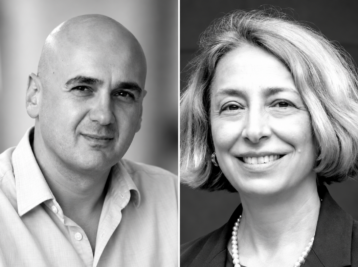
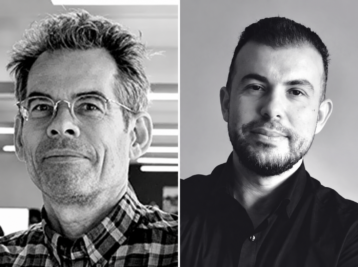
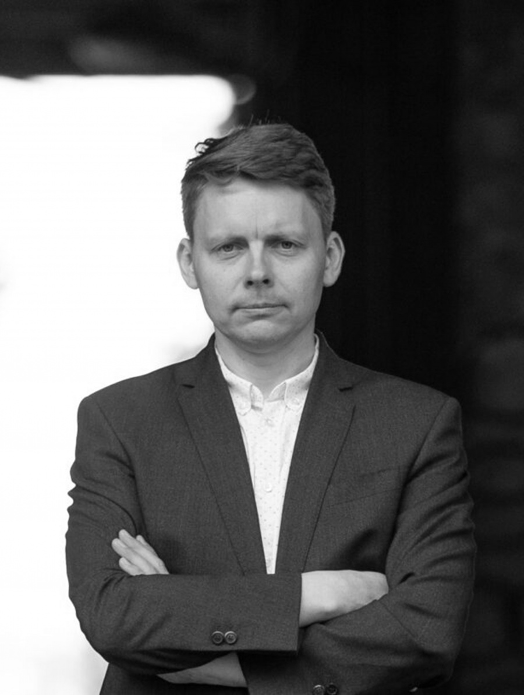
Una conversación con el arquitecto de la ciudad de Tallin y miembro del Consejo Ejecutivo de ACE Andro Mänd
El 22 de abril de 2026, Bruselas acogerá la reunión de arquitectos municipales y estatales, que reunirá a destacados profesionales urbanos y responsables políticos de toda Europa. El evento está organizado por el Consejo Arquitectos de Europa & el Proyecto ARCH-E.
Teniendo lugar en las embajadas de Suiza y Estonia, el programa explorará cómo las ciudades pueden garantizar una arquitectura de alta calidad a través de políticas, concursos de diseño y modelos de gobernanza. Los puntos destacados incluyen debates sobre la Libro Blanco de ARCH-E, presentaciones de las mejores prácticas de toda Europa y una vista previa de la adenda ACE-UIA sobre concursos de diseño arquitectónico.
Los participantes también participarán en una visita arquitectónica guiada por Bruselas, visitando proyectos recientes como Kanal, Gare Maritime y Tour & Taxis, junto con desarrollos más pequeños basados en la competencia que apoyan las prácticas emergentes.
Antes del evento, hablamos con Andro Mänd, Arquitecto de la ciudad de Tallin y miembro de la Junta Ejecutiva de ACE. El evento reunirá a más de 20 participantes, entre ellos 18 representantes de ciudades y estados que representan a 11 países (Bélgica, Estonia, Finlandia, Alemania, Irlanda, Lituania, Países Bajos, Polonia, Rumania, España y Suecia).
ACE: Antes de la reunión de Bruselas, ¿qué es lo que más espera y qué haría que las conversaciones con sus homólogos europeos fueran realmente impactantes?
Andro Mänd: ” Vemos cómo la importancia de las ciudades está creciendo. Las ciudades siempre han sido líderes en innovación. Al mismo tiempo, el mundo nunca ha estado cambiando tan rápido como lo es ahora. Por lo tanto, es extremadamente importante que los arquitectos urbanos tengan una plataforma común donde puedan compartir sus nuevas iniciativas, historias de éxito y también fracasos, para que otros puedan aprender de ellos. Todos tenemos un objetivo común y ese es el mejor entorno de vida. Por lo tanto, es esencial crear una plataforma para el intercambio sistemático y regular de información, que también debe tener una estructura de apoyo. Porque, lamentablemente, las cosas basadas únicamente en el entusiasmo no duran mucho».
ACE: En un contexto de retos urbanos compartidos en toda Europa, ¿qué papel desempeñan plataformas colaborativas como el Consejo de Arquitectos de Europa y el proyecto ARCH-E para reforzar el impacto de los arquitectos urbanos?
Andro Mänd: “Honestamente, el papel de ACE en relación con los arquitectos municipales y estatales ha sido modesto hasta la fecha. Afortunadamente, la nueva junta de ACE ahora ha tomado a los arquitectos de la ciudad y el estado en su enfoque. Los arquitectos de la ciudad han estado un poco fragmentados y, a menudo, solos con sus problemas. Esto se debe en parte a que muchas ciudades no tienen una posición como un arquitecto de la ciudad, y en las ciudades restantes tienen roles y posiciones muy diferentes. Al mismo tiempo, vemos lo importante que se ha vuelto, ya que las ciudades compiten muy vigorosamente por el talento, y cuando atraen talento a su ciudad, el espacio urbano de alta calidad se ha convertido en una de las palabras clave. Si podemos conseguir que esto funcione sistemáticamente, creo que el impacto de ACE y ARCH-E será muy importante para las ciudades europeas».
ACE: Las ciudades de toda Europa se enfrentan a presiones similares (vivienda, clima, desarrollo), pero operan en contextos diferentes. ¿Dónde ve las mayores oportunidades para enfoques compartidos y dónde deben seguir siendo distintas las ciudades?
Andro Mänd : “Los enfoques comunes se deben en gran medida a un clima cambiante, una sociedad que envejece, una crisis de la vivienda y una economía que se está quedando rezagada con respecto al resto del mundo. Estos son problemas que la mayoría de nuestras ciudades comparten. Podemos compartir los casos de éxito de los demás, asumirlos y adaptarlos a nuestras ciudades. Nuestras ciudades seguirán siendo distintas entre sí en cualquier caso, porque el mayor valor de las ciudades europeas son los diferentes estratos que contienen. Además de las ciudades antiguas históricas, en realidad tenemos muchos estratos interesantes del siglo XX. Además, tenemos mucha arquitectura industrial antigua, que en muchos lugares se ha transformado en algo nuevo. Son precisamente estos estratos los que crean las mayores y más interesantes diferencias entre nuestras ciudades. Además, por supuesto, el clima es lo que crea la diferencia entre nuestras ciudades».
ACE: Los concursos de arquitectura son un tema central de este evento. Desde su perspectiva en Tallin, ¿qué tan efectivos son como una herramienta para lograr mejores resultados urbanos y arquitectónicos?
Andro Mänd: “Esta es la mejor herramienta. Dado que Estonia tiene una tradición muy fuerte de organizar concursos públicos de arquitectura, también tenemos una visión bastante buena de los beneficios de esta herramienta. Nuestras estadísticas muestran que la realización de un concurso de arquitectura agrega solo 0.5-0.7% al costo de todo el edificio, pero a cambio obtenemos una gran cantidad de proyectos diferentes, donde podemos elegir el proyecto más adecuado. Si el sistema de organización de la competencia está correctamente construido, entonces la realización de la competencia no agrega ningún tiempo adicional. El proyecto de boceto ya se obtiene a través del concurso, y desde allí puede pasar inmediatamente a la preparación de un proyecto preliminar».
ACE: Mirando hacia el futuro, ¿cómo ve el papel del arquitecto de la ciudad evolucionando?
Andro Mänd: «Veo que la importancia de este papel va en aumento. El papel de las ciudades es cada vez más importante en Europa. Si queremos competir con Asia y América, debemos invertir más en el desarrollo de nuestras ciudades. El espacio urbano y el entorno vital son ventajas competitivas muy importantes. Debemos trabajar para garantizar que todas las grandes ciudades europeas cuenten con arquitectos urbanos fuertes».
Reuniendo perspectivas de ciudades como Vilna, Lahti, Groningen y Tallin, la reunión de arquitectos de la ciudad de Bruselas tiene como objetivo fortalecer la colaboración y reforzar el papel de los concursos de diseño arquitectónico como una herramienta clave para lograr entornos construidos de alta calidad en toda Europa.