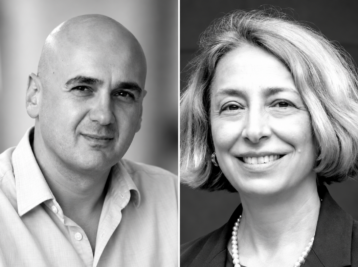
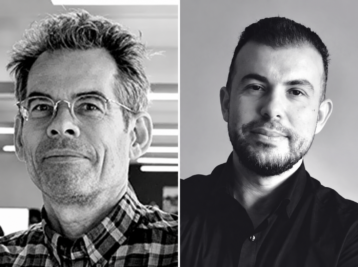
Igår, ordförande för ACE Daniel Fügenschuh, Vice ordförande Elizabeth Gossart, generalsekreterare Katharina Erdmenger och högre politisk handläggare Pierre Obajtek besökte U-Square Bryssel, ett projekt av EVR Architecten, BC Arkitekter & Studier, och Callebaut Architecten som exemplifierar hur arkitektur kan omvandla befintliga platser till motståndskraftiga, inkluderande och framtidsorienterade miljöer.
Usquare Feder är ett adaptivt återanvändnings- och stadsförnyelseprojekt i Bryssel som omvandlar en före detta militärkasern till ett öppet akademiskt grannskap med blandad användning. Projektet initierades av Université libre de Bruxelles och Vrije Universiteit Brussel och omdefinierar den tidigare slutna platsen som en inkluderande stadscampus där studenter, forskare och lokalbefolkningen kan leva, lära sig och interagera. Genom införandet av nya offentliga utrymmen, fotgängaranslutningar och gemensamma faciliteter, återansluter interventionen det historiska komplexet med det bredare urbana tyget.
Projektet kombinerar noggrann restaurering av de befintliga barackerna med moderna tillägg som rymmer student- och forskarbostäder, akademiska program och samhällsorienterade utrymmen. I stället för att radera platsens identitet bevarar och integrerar designen de ursprungliga byggnadernas särskilda arkitektoniska egenskaper inom en förnyad stadsram som främjar öppenhet, samarbete och socialt utbyte.
Hållbarhet utgör en central princip i projektets strategi. Cirkulära byggstrategier möjliggör återanvändning av befintliga material, medan biobaserade innovationer, inklusive hampkalkväggar och skalbaserad isolering, bidrar till att minska miljöavtrycket. Ytterligare åtgärder, såsom gemensamma energisystem och återanvändning av befintliga belysningselement, förbättrar resurseffektiviteten ytterligare.

Genom att slå samman principerna om bevarande av kulturarv, social integration och cirkulär design illustrerar Usquare Feder hur tidigare industri- och militärområden kan omvandlas till motståndskraftiga, inkluderande och hållbara stadsdelar som svarar på samtida sociala och miljömässiga utmaningar.
USquare Feder, som erkändes på europeisk nivå, nominerades och nominerades till Europeiska unionens pris för samtida arkitektur – EU Mies Awards, som firar dess arkitektoniska kvalitet, engagemang för hållbarhet och innovativa tillvägagångssätt för omvandling av befintliga byggnader. Projektet är också med i ACE-utställningen ”Formen följer omvandlingen”, som undersöker hur adaptiv återanvändning håller på att bli en avgörande arkitektonisk strategi för att ta itu med Europas klimatmässiga, sociala och urbana utmaningar.
Projektets bidrag till arkitekturens framtid undersöktes ytterligare under ACE:s policyseminarium i Barcelona, där Laurens Bekemans reflekterade över arkitekternas föränderliga roll när det gäller att omvandla Europas befintliga byggnadsbestånd. Diskussionen belyste att byggnader inte kan betraktas som isolerade objekt, utan snarare som komplexa system formade av klimat, territorium, politik, kultur och tid. Denna förståelse kräver en arkitektonisk praxis baserad på förvaltarskap, vård och en djupare koppling till plats.
USquare visar denna förändring i praktiken: arkitektur som en omvandlingsprocess som arbetar med det som redan finns, bevarar det kollektiva minnet och skapar nya möjligheter för kommande generationer. Den utgör en europeisk referens för hur adaptiv återanvändning kan ge miljöansvar och samtidigt generera ett varaktigt socialt och kulturellt värde.
Hjärtligt tack till Farah Fervel för att ta sig tid att besöka och inspirera oss! 👏

Läs mer om USquare i ACE:s utställningsbroschyr Form Follows Transformation:
https://ace-cae.eu/wp-content/uploads/2026/06/ACE_FormFollowsTransformation_Publication_Digital.pdf