Come parte del UIA Congresso Mondiale degli Architetti 2026 a Barcellona, il Consiglio degli architetti d'Europa ha presentato in anteprima la sua mostra "La forma segue la trasformazione: Momenti che ridefiniscono gli edifici esistenti in Europa", presentando risposte architettoniche stimolanti a una delle sfide più urgenti dell'Europa: come trasformare, riutilizzare e adattare gli edifici che già abbiamo.
Cofinanziato dal Programma Europa creativa dell'Unione europea, la mostra esplora come la trasformazione, la ristrutturazione e il riutilizzo adattivo possano diventare strategie centrali per affrontare i cambiamenti climatici, sostenere le esigenze sociali e preservare il patrimonio culturale dell'Europa.
Ospitato presso il Disseny Hub Barcellona (DHUB), la mostra ha riunito 20 progetti esemplari provenienti da tutta Europa, dimostrando come gli architetti stiano ripensando gli edifici esistenti come risorse preziose piuttosto che vincoli. Attraverso approcci progettuali innovativi, strategie circolari e interventi sensibili, i progetti presentati mostrano come la trasformazione possa preservare l'identità dei luoghi creando nuove opportunità per il loro futuro.
Dopo la sua prima a Barcellona, "Form Follows Transformation" viaggerà in tutta Europa nei prossimi anni, creando opportunità per architetti, responsabili politici, studenti e il grande pubblico di scoprire esempi stimolanti di trasformazione e scambiare conoscenze sul futuro del parco immobiliare europeo esistente.
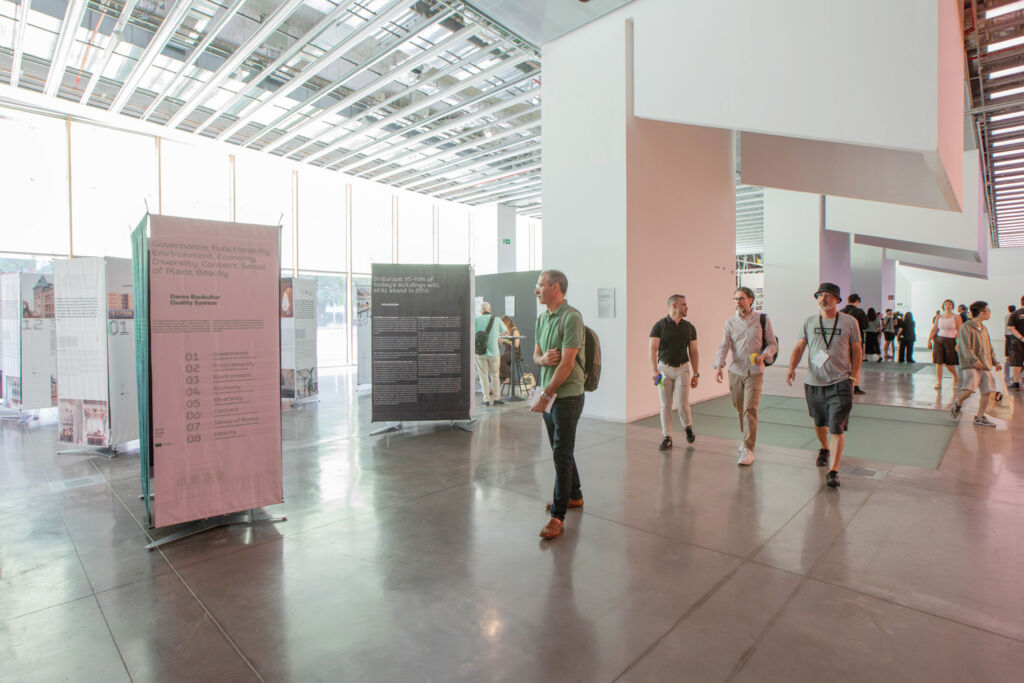
Foto di Joelle Gueguen, per gentile concessione di Red&Grey.
Ripensare gli edifici esistenti in Europa
L'ambiente edificato europeo sta attraversando una profonda trasformazione. Di fronte alle sfide climatiche, alla scarsità di risorse e alle mutevoli esigenze sociali, il futuro dell'architettura dipende sempre più da come lavoriamo con ciò che già esiste.
"La forma segue la trasformazione" presenta la trasformazione non solo come una soluzione tecnica, ma come una nuova cultura architettonica basata sulla cura, l'adattamento e la gestione a lungo termine. La mostra mette in evidenza come gli edifici siano modellati da strati di storia, materiali, comunità e usi e come gli architetti possano sbloccare il loro potenziale attraverso interventi ponderati.
I progetti presentati dimostrano che il riutilizzo non riguarda semplicemente la conservazione del passato. Si tratta di creare nuove possibilità per il futuro: ridurre l'impatto ambientale, rafforzare le comunità e generare luoghi di alta qualità che rispondano alle esigenze contemporanee.
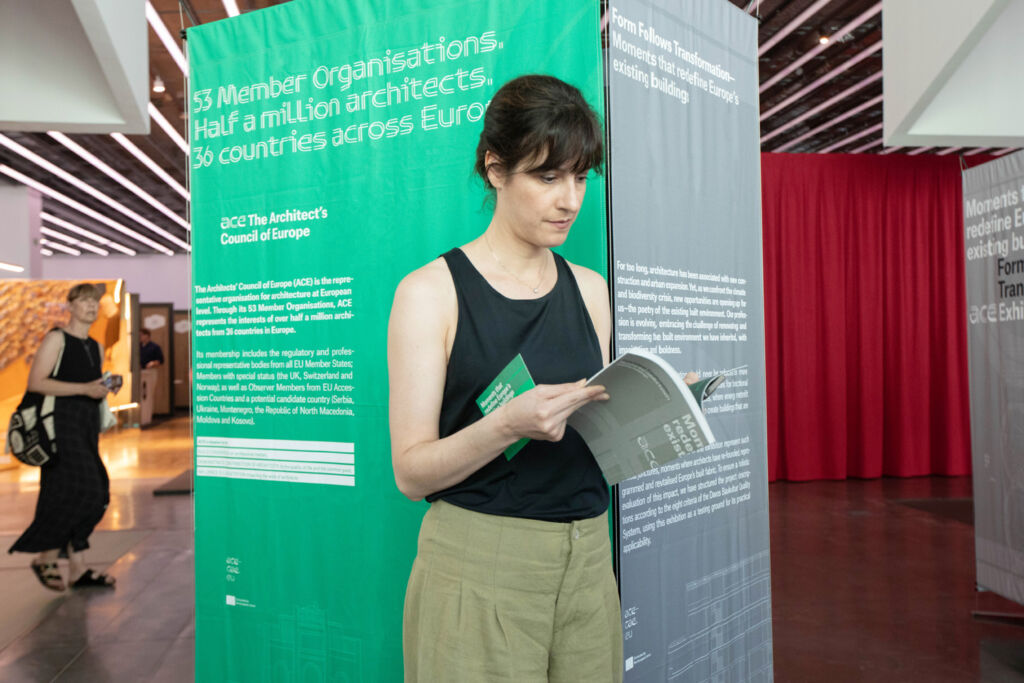
Foto di Joelle Gueguen, per gentile concessione di Red&Grey.
20 progetti che dimostrano il potenziale della trasformazione
La mostra presenta 20 progetti selezionati da tutta Europa, illustrando la diversità degli approcci alla trasformazione degli edifici esistenti. Insieme, dimostrano come l'architettura può rispondere in modo creativo a diversi contesti, scale e sfide.
Tra i progetti presentati figurano:
- Kellogg’s Bremen (Germania) – Silos industriali reinventati: Dall'immagazzinamento del grano all'ospitalità urbana, trasformando le vecchie strutture industriali in una nuova destinazione urbana.
- Nordgrün (Germania) – Costruire verso l'alto, vivere più verde: Densificazione del legname senza espansione della terra, esplorando la crescita urbana sostenibile attraverso l'edilizia in legno.
- Castello di Wittenberg (Germania) – Strati di storia: Riscrivere un monumento per uso contemporaneo, mostrando come le strutture storiche possono essere adattate preservando la loro identità.
- Scuola materna Pelėdžiukas (Lituania) – Da istituzione a comunità: Riumanizzare un asilo sovietico-era, creare un ambiente di apprendimento più aperto e inclusivo.
- Torre dei vigili del fuoco (Romania) – Patrimonio verticale attivato: Una torre medievale come Osservatorio Urbano, rivelando nuovo valore pubblico all'interno di strutture storiche.
- Impianto idrico di Suceava (Romania) – Memoria industriale come cultura: Dalle Infrastrutture alla Piattaforma Civica, trasformando le vecchie infrastrutture in uno spazio culturale condiviso.
- Conversione automatica del silo del grano dei mulini (Cechia) – La macchina come spazio pubblico: Un Silo trasformato in un punto di riferimento culturale, dimostrando il potenziale culturale del patrimonio industriale.
- Thoravej 29 (Danimarca) – Riutilizzo radicale: 95% Materiali, 100% Reinvenzione, mostrando un approccio pionieristico al riutilizzo dei materiali e alla trasformazione circolare.
- Elektrownia Powiśle (Polonia) – Centrale elettrica al motore urbano: Riattivazione della scala industriale, dando nuova vita a un ex impianto energetico.
- Palazzo della Normandia (Svizzera) – Brutalismo riabitato: Ufficio per la trasformazione abitativa, adattando un edificio per uffici esistente a nuovi alloggi.
- Weinlager (Svizzera) – Vita collettiva in strutture industriali: Magazzino alla Comunità Housing, dimostrando come il patrimonio industriale possa sostenere nuove forme di vita.
- Usquare (Belgio) – Apertura della caserma: Dall'enclave militare al campus urbano, trasformando un ex sito militare in un nuovo distretto urbano.
- Vetri Vecchi Ptuj (Slovenia) – Riconnettere la città: Rovina industriale al paesaggio culturale.
- InGrid Hub (Serbia) – Fabbrica al posto di lavoro futuro: Conchiglia industriale, cultura digitale.
- Grotte di Tomelloso (Spagna) – Strutture nascoste rivelate: Stabilizzare la città sotterranea.
- Sede centrale di Galenicum (Spagna) – Lavorare all'interno della fabbrica: Spazio circolare nel patrimonio industriale.
- Biblioteca di Kinsale (Irlanda) – Dalla rovina alla conoscenza: Un mulino bruciato rinato come biblioteca pubblica.
- Kunstsilo (Norvegia) – Vuoto monumentale: Un silo diventa una cattedrale culturale.
- Handelszentrum 16 (Austria) – Riprogrammazione della megastruttura: Magazzino per l'ecosistema a uso misto.
- Hagenhaus (Liechtenstein) – Patrimonio rurale riattivato: Farmstead al campus culturale.
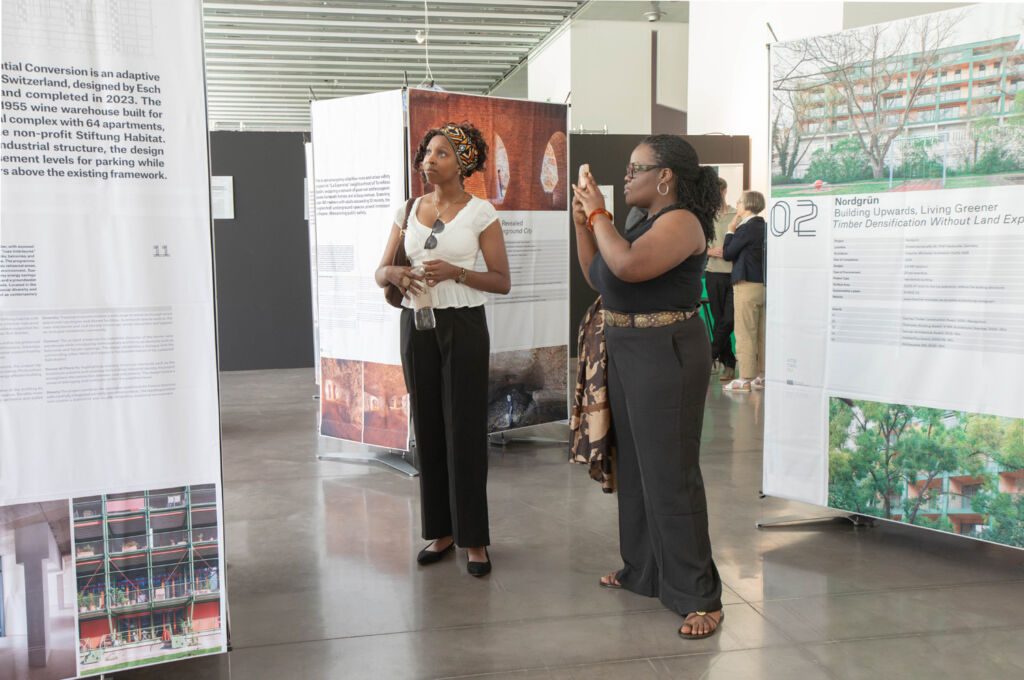
Foto di Joelle Gueguen, per gentile concessione di Red&Grey.
L'accompagnamento "Form Follows Transformation" pubblicazione amplia questa selezione a 36 progetti, fornire una panoramica più ampia degli approcci europei alla trasformazione, compresi gli edifici culturali, le scuole, i luoghi di lavoro, i progetti abitativi, i paesaggi e gli spazi pubblici.
Una nuova cultura architettonica basata sulla trasformazione
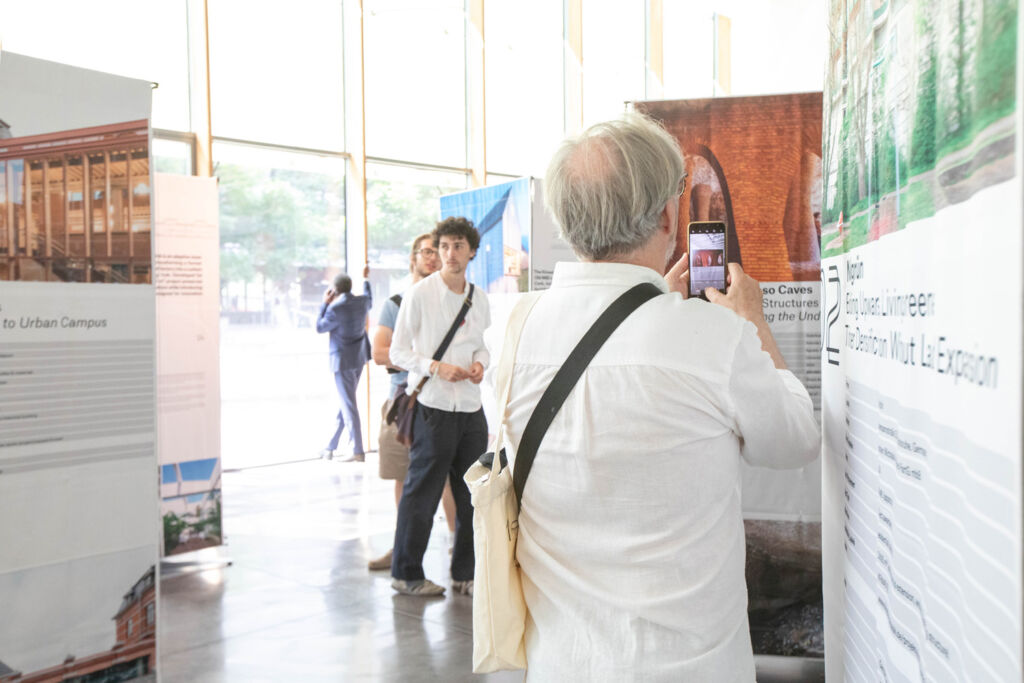
Foto di Joelle Gueguen, per gentile concessione di Red&Grey.
Riflettendo sulla mostra, Il presidente dell'ACE Daniel Fügenschuh ha sottolineato l'importanza di riconoscere la trasformazione come un cambiamento fondamentale nella pratica architettonica: "La mostra celebra progetti che dimostrano che questo cambiamento di paradigma non solo è possibile, ma è già in corso." Sottolinea il ruolo degli architetti nello sviluppo di risposte innovative alle sfide ambientali e sociali dell'Europa, dimostrando che un'architettura di alta qualità può emergere lavorando attentamente con gli edifici e i luoghi esistenti.
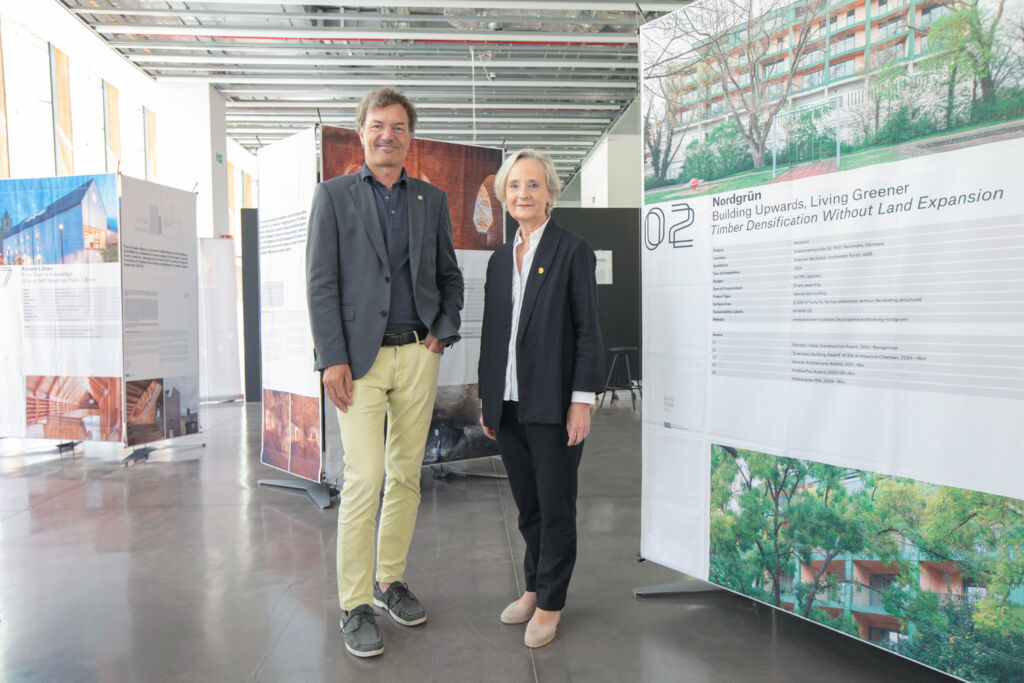
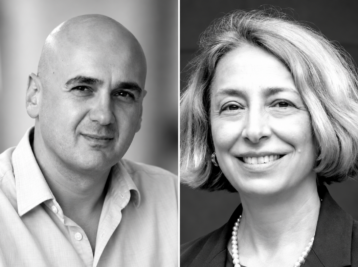
ACE Presidente Daniel Fügenschuh e Marta Vall-llossera, Presidente del Consiglio Superiore dei Collegi degli Architetti di Spagna (CSCAE)
Per Reto Gmür, membro del comitato esecutivo dell'ACE e presidente della giuria espositiva, la trasformazione richiede una comprensione più ampia della sostenibilità: "Stiamo imparando ad ascoltare gli edifici piuttosto che limitarci a iscriverci su di essi."
Sottolinea inoltre l'importanza di comprendere gli edifici esistenti come risorse uniche: "Ogni edificio esistente ha un carattere proprio." La trasformazione inizia riconoscendo le qualità già presenti negli edifici e nei luoghi – la loro storia, i materiali, l'atmosfera e il rapporto con l'ambiente circostante – e utilizzandole come base per interventi futuri.
"Quello che emerge da questi progetti è qualcosa di più tranquillo di un manifesto. Un ritorno alla prossimità: materiali locali, conoscenze locali, mani locali. Un riconoscimento che le soluzioni più durevoli sono spesso le meno complicate. E capire che ogni edificio esistente ha un carattere proprio, una logica, una storia, un modo particolare di tenere lo spazio, che merita di essere ascoltato prima di proporre qualcosa di nuovo."
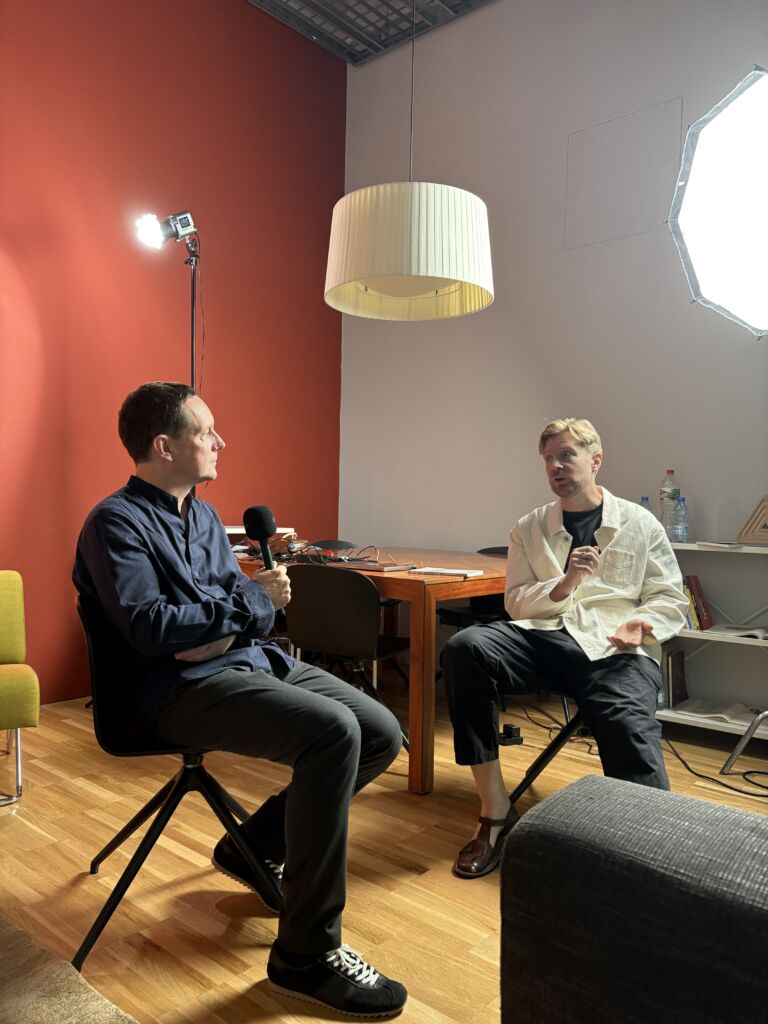
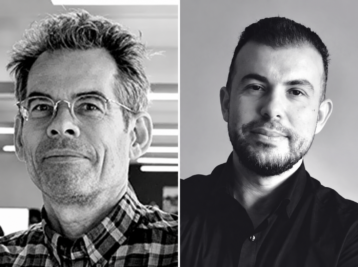
Reto Gmür, membro del comitato esecutivo dell'ACE e presidente della giuria espositiva, e Nolan Giles – Intervista per la Fondazione Holcim
Connettere architettura, politica e pratica
La mostra ha costituito una parte centrale della presenza di ACE al Congresso Mondiale degli Architetti UIA e ha integrato il seminario politico "La forma segue la trasformazione: Momenti che ridefiniscono gli edifici esistenti in Europa", che ha riunito intorno 200 architetti, responsabili politici, rappresentanti delle città ed esperti provenienti da tutta Europa.
Il seminario e la mostra insieme hanno evidenziato la necessità di legami più stretti tra la pratica architettonica e i quadri strategici che sostengono la trasformazione del parco immobiliare europeo, tra cui Nuovo Bauhaus europeo, il Direttiva sulla prestazione energetica nell'edilizia (EPBD), e il Principi di Davos Baukultur.
Riunendo progetti esemplari e discussioni politiche, ACE mira a rafforzare il riconoscimento della trasformazione come percorso chiave verso un'Europa sostenibile, inclusiva e resiliente.
Per saperne di più sul seminario politico qui.
Una mostra europea e una risorsa duratura
Accanto alla mostra, ACE ha pubblicato il Opuscolo "Form Follows Transformation" (La forma segue la trasformazione), raccogliere i progetti presentati e fornire informazioni sulle idee, i processi e le sfide architettoniche alla base di ogni intervento.
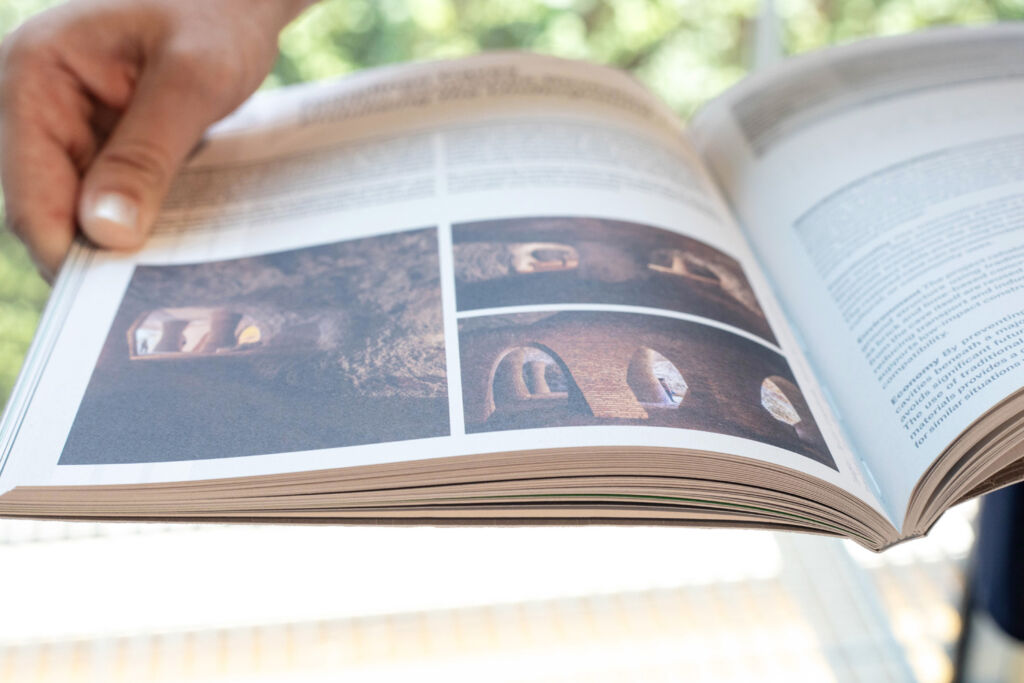
Foto di Joelle Gueguen, per gentile concessione di Red&Grey.
La pubblicazione offre una risorsa per architetti, responsabili politici, studenti e tutti coloro che sono interessati al futuro degli edifici esistenti in Europa.
Dopo il suo lancio a Barcellona, "Form Follows Transformation" proseguirà il suo viaggio europeo, viaggiare in luoghi diversi e creare nuove opportunità di dialogo, scambio e ispirazione.
Attraverso la mostra e la pubblicazione, ACE evidenzia un messaggio fondamentale: il futuro dell'architettura europea dipenderà non solo da ciò che costruiamo, ma anche da come trasformiamo, adattiamo e curiamo ciò che già esiste.
"Form Follows Transformation" è cofinanziato dall'Unione europea attraverso il programma Europa creativa.