Изкуственият интелект вече не е далечна перспектива за архитектурната професия – той вече променя начина, по който архитектите проектират, комуникират и поемат професионална отговорност. От дизайна и творчеството до участието, устойчивостта и професионалната отговорност, ИИ разкрива нови възможности и повдига важни въпроси за архитектите в цяла Европа.
В тази поредица ACE споделя изследвания, публикации и добри практики от цялата си мрежа. Тази статия обхваща две части от тази поредица: Собствената програма за ИИ на ACE и обобщение на начина, по който организациите — членове на ACE, помагат на архитектите да разбират, използват и оформят ИИ отговорно.
Собствена програма за ИИ на ACE
Собственият принос на ACE към този разговор е A.I.: Архитекти за иновативни изследвания, разработен с подкрепата на програмата „Творческа Европа“ на Европейския съюз. Проучването изследва как ИИ и цифровите технологии биха могли да оформят архитектурния дизайн, образованието и градоустройството, като обединяват иновативни научни изследвания от цяла Европа, включително:
- Как дигиталните инструменти влияят на визуалното мислене и креативността
- Как ИИ може да включи младите хора в оформянето на техните градове
- Как изчислителните инструменти могат да подпомогнат устойчивото градско планиране
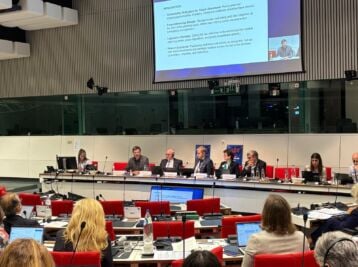
Програмата започна с ACE Архитекти за иновации конференция, която събра експерти, за да обсъдят творческия потенциал на ИИ, както и неговите етични, правни и професионални последици.
Добри практики от организациите членки
След това въведение в собствената програма за изкуствен интелект на ACE се обръщаме към начина, по който организациите членки на ACE в цяла Европа помагат на архитектите да разбират, използват и оформят изкуствения интелект отговорно.
Вместо да чакат да се появи единен европейски стандарт, националните и регионалните професионални организации поеха инициативата сами: публикуване на научни изследвания, изготвяне на практически насоки и определяне на етични рамки, съобразени с техния собствен регулаторен контекст и ежедневните реалности на практиката. Заедно тези пет инициативи предлагат представителна картина на начина, по който професията реагира — от етиката и регулирането до научните изследвания и визията.
Франция — CNOA: Възможностите се срещат с професионалната етика
Conseil National de l’Ordre des Architectes (CNOA) публикува доклад, свързващ възможностите, предлагани от ИИ, с професионалните и етичните отговорности на архитектите. Озаглавен L’IA et les architectes : concilier opportunités et déontologie, В доклада се излагат практически препоръки относно прозрачността, отговорността, поверителността, интелектуалната собственост и задължението на архитекта да съветва своите клиенти — като разговорът за ИИ се основава твърдо на съществуващия етичен кодекс на професията.
Обединено кралство — RIBA: Измерване на приемането на ИИ
Кралският институт на британските архитекти (RIBA) е възприел основан на доказателства подход с годишния си Доклад за ИИ на RIBA, проследяване на това как архитектурните практики всъщност възприемат инструменти с ИИ, какво въздействие оказва това върху дизайна и бизнес процесите и какви умения ще са необходими на архитектите, за да останат конкурентоспособни с напредването на технологията. Повтаряйки изследването ежегодно, RIBA изгражда надлъжен поглед върху трансформацията на професията, а не една моментна снимка.
Германия — BAK: Изграждане на практическа грамотност в областта на ИИ
Bundesarchitektenkammer (BAK) избра жив ресурс, а не статична публикация. Неговото ръководство, 10+ въпроса и отговора за AI, се актуализира редовно, за да се справи с приложенията на ИИ, работните процеси, възможностите, рисковете, авторското право и професионалната отговорност — формат, предназначен да бъде в крак с бързо развиващата се технология и да отговаря на практическите въпроси, които архитектите всъщност задават.
Австрия — Arch+Ing: Превръщане на регламента в практика
С Акта на ЕС за изкуствения интелект, който сега оформя регулаторната среда, австрийската камара Arch+Ing публикува AI Ръководство за строителни инженери, предлага насоки относно грамотността в областта на ИИ, оценката на риска, вътрешните регистри за ИИ и политиките за отговорно използване за професионалните офиси. Ръководството превръща сложен законодателен акт на ЕС в конкретни стъпки, които могат да бъдат въведени чрез практики от всякакъв мащаб.
Норвегия — Arkitektbedriftene: Определяне на визия, ориентирана към човека
Когато други организации членки са се съсредоточили върху насоките и спазването, норвежката асоциация Arkitektbedriftene е избрала да формулира визия. Неговият манифест, Възстановяване на архитектурата: Манифест в ерата на AI, призовава ИИ в архитектурата да остане ориентиран към човека, прозрачен и отговорен към околната среда — насърчаване на човешката преценка, суверенитета на данните и критичната грамотност в областта на ИИ като неподлежащи на преговори основи за професията.
Различни подходи, споделени принципи
Прочетете рамо до рамо, тези пет инициативи приемат забележимо различни форми - деонтологичен доклад, годишно проучване, жив Q&A, регулаторно ръководство, манифест. И все пак те се доближават до едни и същи основни принципи:
- Човешко творчество остава в центъра на архитектурния акт
- Професионална отговорност не може да бъде делегирано на инструмент
- Прозрачност с клиентите и обществеността е от съществено значение
- Архитектурно качество не трябва да бъдат компрометирани в стремежа към ефективност
- Отговорна иновация следва да направлява начина, по който професията възприема нови технологии
Това сближаване, постигнато самостоятелно от организации, работещи в различни регулаторни и културни контексти, предполага споделен професионален инстинкт за това, което е най-важно, тъй като ИИ става част от ежедневната практика.
Споделете мнението си: Призив на ЕС за предоставяне на данни
Европейската комисия покана за предоставяне на данни относно ИИ в секторите на културата и творчеството е отворен, докато 11 септември 2026 г.. Това е пряка възможност за архитектите и членуващите организации да помогнат за оформянето на начина, по който ИИ се регулира в културните и творческите индустрии, включително архитектурата.
Прочетете отзивите на ACE тук.
Източници
- ACE — A.I.: Архитекти за иновативни изследвания
- CNOA (Франция) — L’IA et les architectes : concilier opportunités et déontologie
- RIBA (Обединено кралство) — Доклад за ИИ на RIBA
- BAK (Германия) — 10+ въпроса и отговора за AI
- Arch+Ing (Австрия) — AI Ръководство за строителни инженери
- Arkitektbedriftene (Норвегия) — Възстановяване на архитектурата: Манифест в ерата на AI
- Европейска комисия — Покана за предоставяне на данни: Стратегия за ИИ за секторите на културата и творчеството