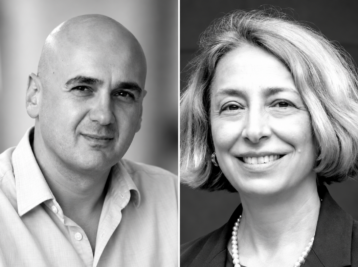
Ponieważ Europa stoi w obliczu pogłębiającego się kryzysu mieszkaniowego – przy gwałtownie rosnących cenach, rozciągniętych rynkach miejskich i rosnącym ubóstwie energetycznym – Christophe Millet (przewodniczący francuskiej Krajowej Rady Architektów) i Ruth Schagemann (przewodnicząca Rady Architektów Europy od 2022 r.) podkreślają pilną potrzebę zjednoczonej, innowacyjnej reakcji na szczeblu europejskim.
1. Rosnąca presja na przystępność cenową mieszkań
W latach 2015–2023 ceny mieszkań w całej Europie wzrosły o 48%, z czynszem podwyższonym o 19%, doprowadzając miliony – w tym 400 000 dzieci – do niepewnych warunków życia, a 47 mln Europejczyków nie jest w stanie prawidłowo ogrzać swoich domów (cities.newstank.fr).
2. Nowe ramy na szczeblu UE
- Przywództwo UE: W lipcu 2024 r. przewodnicząca Ursula von der Leyen umieściła mieszkalnictwo w centrum swojego programu drugiej kadencji.
- Struktury na miejscu: W skład UE wchodzą obecnie komisarz Dan Jørgensen (Energy & Housing) oraz specjalna grupa zadaniowa ds. mieszkalnictwa, a także nowa komisja parlamentarna badająca kryzys (cities.newstank.fr).
3. Od mieszkalnictwa do „siedliska”
Opierając się na wizji nowego europejskiego Bauhausu, duet wzywa do przyjęcia całościowego podejścia politycznego, które uznaje mieszkalnictwo za część szerszych systemów przestrzennych – obejmujących pracę, czas wolny, kulturę i podstawowe usługi.
4. Podnoszenie jakości w nowych i odnowionych domach
Tendencje budowlane oparte na kosztach często poświęcają jakość życia – mniejsze przestrzenie, słabe materiały, niewystarczające światło dzienne, brak obszarów wspólnych. Millet i Schagemann proponują:
- Wzmocnienie roli architektów i niezależnych specjalistów w zapewnianiu jakości.
- · Promowanie eksperymentów, lokalnych materiałów i zrównoważonych innowacji .
5. Uwarunkowanie wsparcia publicznego jakością
Inwestycje publiczne muszą wymagać wysokich standardów budowlanych i odpowiedzialności środowiskowej. Modele takie jak Community Land Trusts i francuska Bail Réel Solidaire, które ograniczają ceny odsprzedaży, powinny zostać rozszerzone.
6. Inclusive Governance & Wspólne planowanie
- Konkursy architektoniczne powinny stać się normą zapewniającą równowagę między jakością, interesem publicznym i efektywnością kosztową.
- Wsparcie powinno wzrosnąć na rzecz współmieszkalnictwa, samorozwoju i spółdzielni kierowanych przez rezydentów
7. Odzyskiwanie niewykorzystanych przestrzeni
Strategiczne ogólnounijne mapowanie wolnych domów i niedostatecznie wykorzystywanych biur mogłoby przekształcić je w dostępne mieszkania. · Przekierowanie finansowania na wysokowydajne renowacje i adaptacyjne ponowne wykorzystanie jest kluczem do ochrony środowiska; odporność społeczna .
8. Umożliwienie tworzenia zrównoważonych zasobów budowlanych
Aby przeciwdziałać kryzysom związanym z klimatem i różnorodnością biologiczną, należy skoncentrować się na przechodzeniu od nowych budynków do renowacji istniejących struktur z wykorzystaniem zasad gospodarki o obiegu zamkniętym:
- Materiały pochodzenia biologicznego i zregenerowane
- Rozwiązania pasywne i low-tech
- Rewitalizacja miast i delikatne zagęszczenie
9. Równoważenie popytu terytorialnego
Równość w mieszkalnictwie musi wykraczać poza obszary miejskie. Autorzy opowiadają się za:
- Dotacje sprzyjające gruntownej renowacji i charakterystyce energetycznej
- Rewitalizowane centra miast
- Zrównoważony rozwój w kontekście metropolitalnym, średnim i wiejskim, w oparciu o lokalne inwentaryzacje zasobów
Dlaczego to ma znaczenie dla ACE
ACE powtórzyła te apele w niedawnym dialogu z unijną grupą zadaniową ds. mieszkalnictwa, potwierdzając kluczową rolę architektów w zapewnianiu zrównoważonych, sprawiedliwych i wysokiej jakości mieszkań na całym kontynencie. W miarę rozwoju planu na rzecz przystępnych cenowo mieszkań – wraz z warsztatami ekspertów i konsultacjami publicznymi zaplanowanymi na jesień 2025 r. – ACE jest gotowa wpływać na politykę poprzez konkursy projektowe, budowanie zdolności i rzecznictwo, zapewniając, aby jakość, sprawiedliwość i zrównoważony rozwój pozostały w centrum uwagi.
Patrząc w przyszłość
W ramach dialogów Inxauseta zaplanowanych na 29 sierpnia 2025 r. w Bunus we Francji Millet i Schagemann zapraszają zainteresowane strony – od architektów po decydentów – do budowania prawdziwie europejskiej polityki siedliskowej: taki, który jest jakościowe, trwałe, oraz sprawiedliwy, a to stawia ludzi i społeczności w centrum uwagi.
Przeczytaj trybunę w New Tank Cities: https://cities.newstank.fr/article/view/402635/qualite-durabilite-equite-politique-europeenne-habitat-millet-r-schagemann.html